

On Performance
 What Acting Taught Me About Sports Medicine and What Sports Medicine Taught Me About Acting
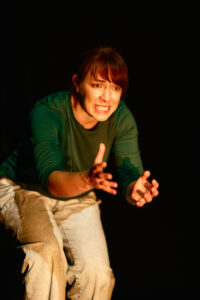 What Acting Taught Me About Sports Medicine and What Sports Medicine Taught Me About Acting
By Dr. Janet McMordie
If you had told me during my sport medicine fellowship that one day I’d be discussing DeQuervain’s management in clinic in the morning and rehearsing a theatre production about healthcare worker trauma at night, I would have laughed harder than the audience at Rich Trenholm during 2 mins 2 slides.
To many, the combination seemed unusual. My acting classmates were baffled that I still worked as a physician. My physician colleagues were baffled that I spent weekends learning improv. I was also a little baffled and a little worried that medicine would think acting wasn’t serious enough and acting would think medicine was too serious.
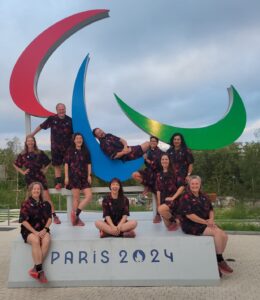 One of the greatest gifts acting has given me is a healthier relationship with my identity. Many of our athletes struggle when injury threatens their ability to compete. The question is rarely just “When can I return to sport?”, it is often “Who am I if I can’t do the thing that defines me?”.
We routinely encourage our athletes to cultivate identities beyond sport and spend much of our careers helping athletes navigate transitions. We help them through injuries, retirements, missed opportunities, and unexpected detours. What I did not appreciate early in my career was that I needed to extend myself the same advice because we can be equally vulnerable to identity foreclosure. We spend so many years in school that it becomes difficult to imagine ourselves as anything else. Pursuing acting forced me to confront that. It required me to be a beginner again. It required me to fail publicly, receive feedback, and develop skills entirely unrelated to medicine. Ironically, the further I developed these “unrelated skills”, the more connected I felt to medicine. I stopped seeing these pursuits as competing priorities and started seeing them as complementary ways of understanding people. Both involve storytelling. Both involve observation. Both require empathy. Both ask us to be fully present with another human being.
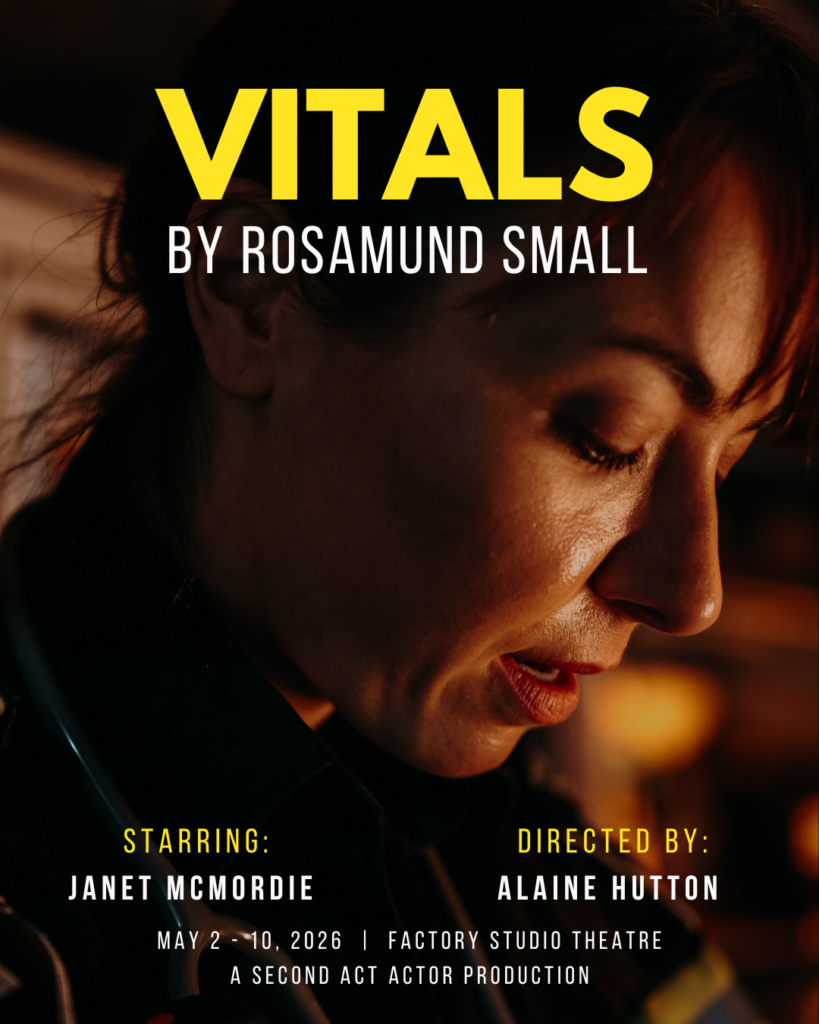
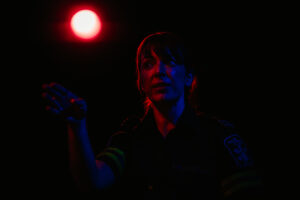
In May, my two worlds finally stopped competing and began collaborating. I produced and performed in VITALS, a solo theatre show at Factory Theatre in Toronto exploring a healthcare worker’s grief, trauma, dark humour, and resilience. It was a non-profit show that raised awareness for Frontline Families Canada (a wonderful non-profit organization that provides support, resources, and community for the families of fallen first responders across Canada)
What struck me most was the audience. Healthcare workers filled the theatre. Many told me they had not attended a play in years. Some had never attended independent theatre at all. They came because the subject matter felt relevant to their lives.
Critics and theatre audiences often described VITALS as harrowing, terrifying, and emotionally overwhelming. Fellow healthcare workers, meanwhile, frequently described it as familiar. Some even described it as funny.
The same moments that horrified some “civilian” audience members produced knowing laughter from colleagues who had lived versions of those experiences. Dark humour, which can appear shocking to outsiders, is often a survival tool of ours in healthcare. The divide revealed something important. Many healthcare workers were not simply watching a play about trauma; they were recognizing themselves on stage. After performances, people stayed behind to talk. They shared stories of difficult patients, professional challenges, moral distress, and moments they had carried silently for years. The lobby conversations often lasted longer than the show itself. In many ways, the production became less about theatre and more about creating a space where healthcare workers felt seen.
 The experience made me wonder how many of us are unintentionally excluded from the arts. I don’t think it’s because we lack interest, but because long hours, shift work and a culture of relentless productivity leave little room for creative engagement. We often talk about arts accessibility as a financial or geographic issue. For us as healthcare workers, accessibility may also be cultural. In medicine, we often talk about bringing the arts into healthcare settings. We discuss music programs, visual art in hospitals and narrative medicine curricula. What I hadn’t anticipated was the opposite: healthcare workers entering artistic spaces and discovering they belonged there too.
Medicine will always be an important part of my identity. So will acting. Neither diminishes the other. If anything, each has expanded my understanding of the other. The longer I practise medicine, the less interested I become in defining people by a single title. The patients, colleagues, and athletes who inspired me most were rarely defined by a single accomplishment. They were competitors, advocates, teammates, parents, artists, students, and leaders all at once.
Maybe the goal is not to choose between our identities, but to give ourselves permission to explore all of them.