

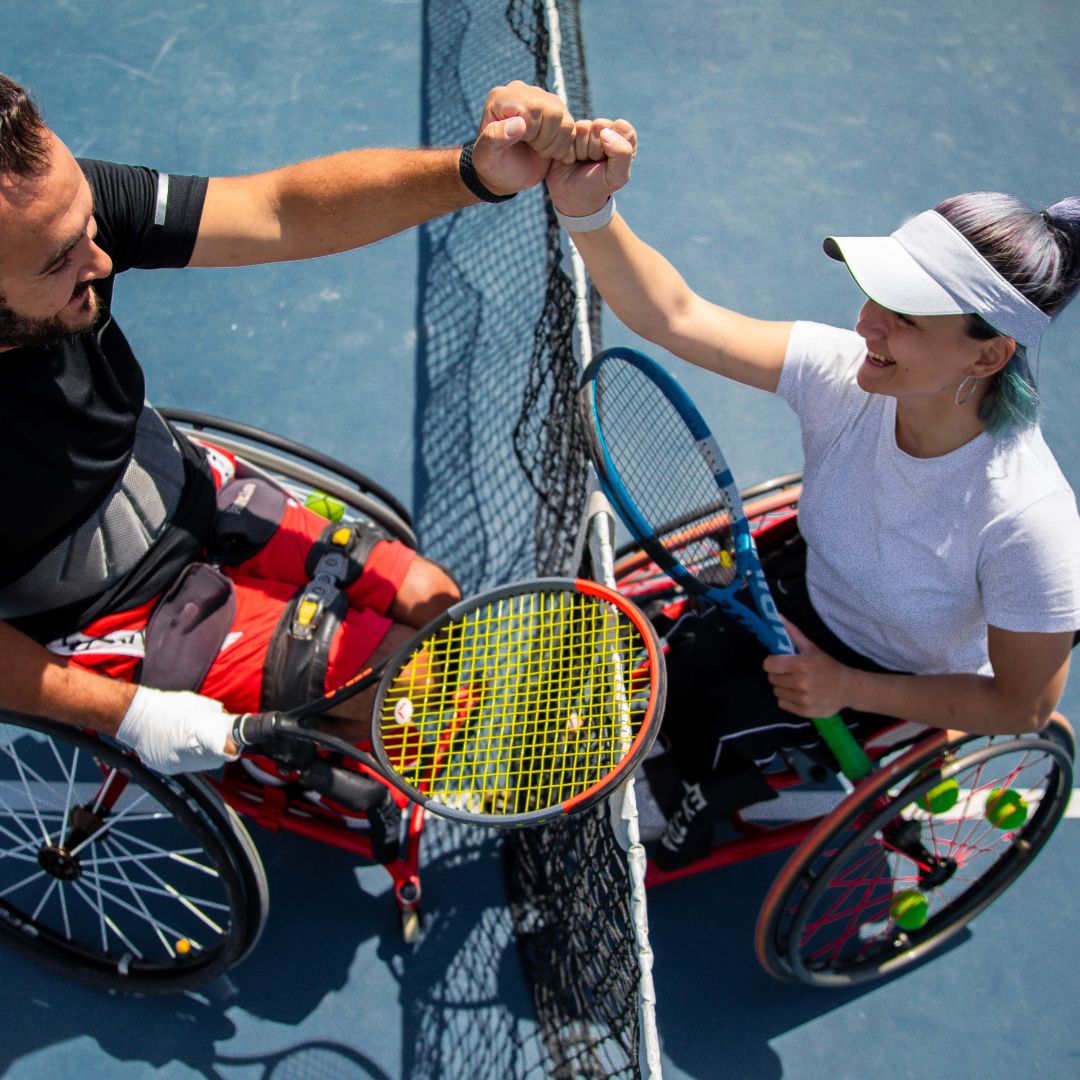
CASEM Basic Team Physician Course
This two-day course equips healthcare professionals with the knowledge and skills to care for athletes and teams at local, national and international levels. Participants will learn about team physician roles, pre-participation examinations, event coverage, and emergency management, including concussions, fractures, cardiac events, and pediatric injuries.
Interactive workshops and case discussions cover mental health, sport nutrition, para athlete assessment, anti-doping, harassment and abuse, and return-to-play decisions. Expert panels and practical demonstrations provide hands-on experience in real-world sports medicine scenarios.
The target audience is a physician of any specialty, with or without their CASEM diploma, who wishes to develop and enhance their knowledge of and skill in the care of the athlete and the role of the team physician. This course may also be of interest to allied health professionals who are involved with the care of the athlete of sports teams.
This is a pre-conference course to the 2026 CASEM Annual Symposium in Kelowna. View full conference details.
Accreditation
This activity has been certified by the College of Family Physicians of Canada and the British-Columbia Chapter for up to 13.75 Mainpro+® Certified Activity credits.
Preliminary Program
This is a preliminary program only, subject to change. Speakers will be added shortly.
Day 1 - Monday, April 27
| TIME | TITLE | SPEAKERS |
|---|---|---|
| 7:30 - 8:10 | Continental Breakfast | |
| 8:00 - 8:10 | Welcome and Introductions | Dr. Jessica Curran, MD, Dip Sport Med |
| 8:10 - 9:00 | Team Physician: Roles and Responsibilities, Travel | Dr. Darrell Menard, MD, Dip Sport Med |
| 9:00-9:15 | The Medical Kit | Dr. Jessica Curran, MD, Dip Sport Med |
| 9:15 - 9:45 | Pre-participation Examination | Dr. Jessica Curran, MD, Dip Sport Med |
| 9:45 - 10:15 | How Rules of the Game Affect Medical | Dr. Jessica Curran, MD, Dip Sport Med |
| 10:15 - 10:25 | Questions | |
| 10:25 - 10:45 | Morning Break | |
| 10:45 - 11:15 | Event Coverage Planning | Dr. Darrell Menard, MD, Dip Sport Med |
| 11:15 - 11:45 | Heat and Cold-Related Events and Illnesses | Dr. Hannah Gibson,MD, Dip Sport Med |
| 11:45 - 12:45 | Lunch Break | |
| 12:45 - 13:30 | Concurrent Workshops | |
Session 1: Anti-Doping Cases / TUE | Dr. Richard Goudie, MD, Dip Sport Med | |
Session 2: RED-SCAT Cases | Dr. Kristine Johnson, MD, Dip Sport Med | |
| 13:30 - 14:15 | Workshops Repeated | |
| 14:15 - 14:30 | Afternoon Break | |
| 14:30 - 15:00 | Medical Emergencies | Dr. Bruce Davidson, MD, Dip Sport Med |
| 15:00 - 15:30 | Illness Protocols in Sport | Dr. Mickey Moroz, MD, Dip Sport Med |
| 15:30 - 16:00 | Acute Fracture Management | Dr. Warren Thirsk, MD, Dip Sport Med |
| 16:15 - 16:30 | Questions & Closing Remarks |
Day 2 - Tuesday, April 28
| TIME | TITLE | SPEAKERS |
|---|---|---|
| 7:15 - 7:45 | Continental Breakfast | |
| 7:45 - 8:00 | Welcome Back and Announcements | Dr. Jessica Curran, MD, Dip Sport Med |
| 8:00-8:45 | Concurrent Workshops | |
Session 1: Harassment and Abuse in Sport Cases | Dr. Carla Edwards, MD, Sport Psychiatrist | |
Session 2: Para Athlete Assessment | Dr. Lindsay Bradley, MD, Dip Sport Med | |
| 8:50-9:35 | Workshops Repeated | |
| 9:35-10:00 | Morning Break | |
| 10:00 - 10:20 | Concussion Sideline Assessment DEMO | |
| 10:20 - 11:00 | Concussion Panel Discussion | Dr. Lindsay Bradley, MD, Dip Sport Med |
| Dr. Jessica Curran, MD, Dip Sport Med | ||
| 11:00-11:45 | Pediatric Injuries | Dr. Laura Purcell, MD, Dip Sport Med |
| 11:45-13:00 | Lunch Break | |
| 13:00-13:45 | Sport Nutrition | Joanna Irvine, RD |
| 13:45-14:30 | Mental Health EAP and Cases | Dr. Lindsay Bradley, MD, Dip Sport Med |
| 14:30-14:45 | Afternoon Break | |
| 14:45 - 15:45 | Panel Discussion - Return to Play | Dr. Jessica Curran, MD, Dip Sport Med |
| Dr. Lindsay Bradley, MD, Dip Sport Med | ||
| Dr. Richard Goudie, MD, Dip Sport Med | ||
| Dr. Bruce Davidson, MD, Dip Sport Med | ||
| 15:45 - 16:15 | Questions & Closing Remarks |
Learning Objectives
Overall Learning Objectives
At the conclusion of this activity, participants will be able to:
- Assess and manage common acute injuries and medical issues in sport settings.
- Provide safe and effective medical coverage for teams and events.
- Apply professional, collaborative, and ethical principles to promote athlete health and safety.
Team Physician: Roles and Responsibilities, Travel
By the end of this session, participants will be able to:
- Describe the core roles and responsibilities of the team physician across training, competition, and travel environments.
- Identify key medical and logistical considerations when preparing for team travel, including risk mitigation and documentation needs.
- Apply best practices for communication and collaboration within the multidisciplinary sport medicine team during team coverage.
The Medical Kit
By the end of this session, participants will be able to:
- List essential components of a team physician medical kit for sideline and travel coverage.
- Select appropriate medications, equipment, and supplies based on sport setting and level of risk.
- Organize a medical kit to support rapid response to common sideline emergencies.
Pre-participation Examination
By the end of this session, participants will be able to:
- Describe the goals and key components of the pre-participation examination in athletes.
- Identify screening findings that warrant further investigation or sport restriction.
- Apply evidence-informed decision-making when providing clearance for sport participation.
How Rules of the Game Affect Medical
By the end of this session, participants will be able to:
- Explain how sport-specific rules influence injury risk and sideline medical decision-making.
- Analyze game situations in which rules affect timing of assessment, removal from play, or return-to-play decisions.
- Integrate rule awareness into practical sideline management strategies.
Event Coverage Planning (including Endurance)
By the end of this session, participants will be able to:
- Develop a structured medical coverage plan for sporting events based on event size, setting, and risk profile.
- Identify unique medical considerations in endurance events, including environmental and volume-related risks.
- Coordinate personnel, equipment, and emergency pathways to support safe event delivery.
Heat/Cold Events and Illness
By the end of this session, participants will be able to:
- Recognize clinical presentations of heat- and cold-related illness in athletes.
- Implement immediate on-site management strategies for environmental illness.
- Advise athletes and teams on evidence-informed prevention strategies for extreme temperature conditions.
Anti-Doping Cases / TUE
By the end of this session, participants will be able to:
- Describe the team physician’s responsibilities within the anti-doping framework.
- Identify situations in which a Therapeutic Use Exemption (TUE) is required.
- Apply appropriate documentation and decision-making processes when managing athletes requiring prohibited medications.
RED-SCAT Cases
By the end of this session, participants will be able to:
- Recognize clinical features suggestive of Relative Energy Deficiency in Sport (RED-S).
- Interpret RED-S Clinical Assessment Tool (RED-SCAT) findings in athlete evaluations.
- Develop an initial management and referral plan for athletes identified at risk of RED-S.
Medical Emergencies (Syncope, Collapsed Athlete, Cardiac, Anaphylaxis)
By the end of this session, participants will be able to:
- Differentiate common causes of collapse in athletes using rapid sideline assessment.
- Initiate immediate management of life-threatening sport-related medical emergencies.
- Activate appropriate emergency action plans and coordinate transfer of care.
Illness Protocols in Sport
By the end of this session, participants will be able to:
- Identify common infectious and non-infectious illnesses affecting athletes in training and competition.
- Implement illness management protocols that balance athlete health and participation demands.
- Advise teams on strategies to reduce illness transmission during training and travel.
Acute Fracture Management
By the end of this session, participants will be able to:
- Recognize clinical signs of acute fractures in the sideline or field setting.
- Perform appropriate initial immobilization and pain management for suspected fractures.
- Determine urgency of imaging and referral following acute fracture injury.
Harassment and Abuse in Sport Cases
By the end of this session, participants will be able to:
- Recognize warning signs and disclosures suggestive of harassment or abuse in sport environments.
- Apply trauma-informed principles when responding to athlete concerns.
- Initiate appropriate reporting, documentation, and referral processes in accordance with safe sport policies.
Para Athlete Assessment
By the end of this session, participants will be able to:
- Describe key medical and functional considerations when assessing para athletes.
- Adapt standard sport medicine assessments to accommodate athletes with disabilities.
- Coordinate interdisciplinary care to support safe participation and performance.
Concussion Sideline Assessment DEMO
By the end of this session, participants will be able to:
- Perform a structured sideline concussion assessment using current best-practice tools.
- Identify red flags that require immediate removal from play and urgent evaluation.
- Document concussion assessments in a manner that supports safe return-to-play decisions.
Concussion Panel Discussion
By the end of this session, participants will be able to:
- Compare differing expert perspectives on contemporary concussion management challenges.
- Analyze complex concussion cases using current consensus guidance.
- Incorporate panel-derived insights into their own concussion management approach.
Pediatric Injuries
By the end of this session, participants will be able to:
- Differentiate common pediatric sport injuries from adult injury patterns.
- Apply age-appropriate assessment and management strategies for injured youth athletes.
- Advise athletes and caregivers on safe return-to-play following pediatric injury.
Sport Nutrition
By the end of this session, participants will be able to:
- Describe fundamental sport nutrition principles that support health and performance.
- Identify athletes at risk of inadequate fueling or nutrition-related concerns.
- Provide practical nutrition guidance and determine when referral to a sport dietitian is indicated.
Mental Health EAP and Cases
By the end of this session, participants will be able to:
- Recognize common mental health presentations in athletes and team environments.
- Implement initial assessment and support strategies within the team physician scope of practice.
- Activate appropriate referral pathways and emergency action plans for urgent mental health concerns.
Panel Discussion – Return to Play
By the end of this session, participants will be able to:
- Integrate medical, functional, and sport-specific factors into return-to-play decision-making.
- Analyze complex return-to-play cases using risk stratification principles.
- Communicate return-to-play decisions effectively with athletes, coaches, and the multidisciplinary team.